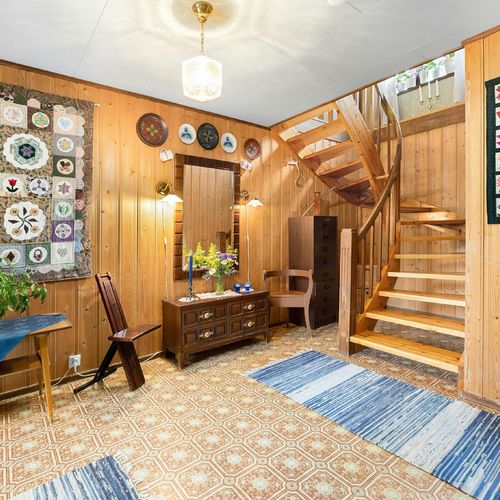
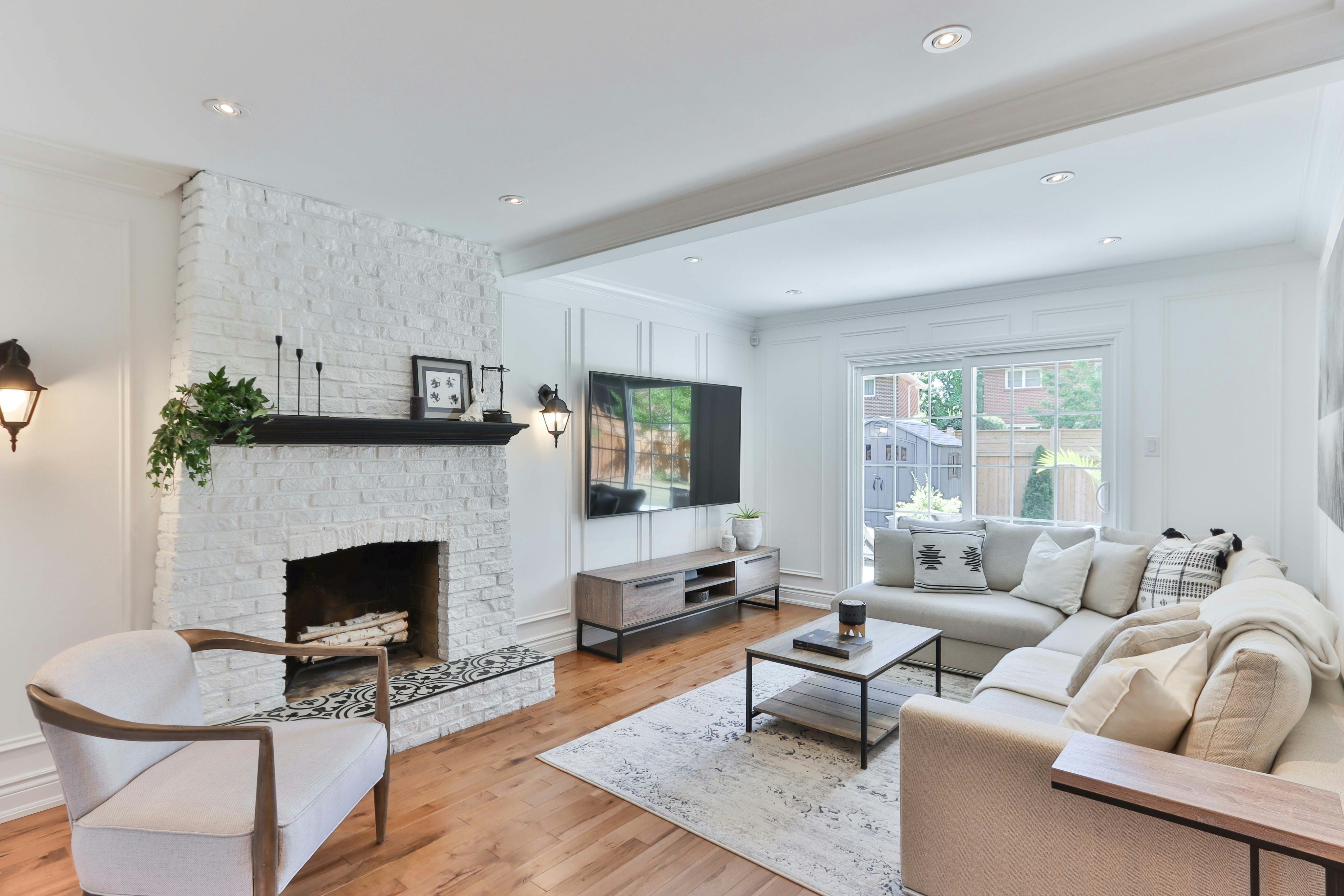
Staged homes sell 73% faster on average than unstaged ones, and that number alone should shift the way sellers think about preparing a home for market. According to data from both the National Association of Realtors and the Real Estate Staging Association, staging isn't just about making a home look pretty for photos — it's a strategy with a measurable impact on sale price and buyer response. Here's the thing most sellers miss though: buyers aren't walking through a home and mentally tallying up square footage or the quality of the finishes. They're reacting to how a room feels within the first few seconds of stepping into it. A cluttered entryway, a surface covered in personal photos, a hallway that feels tight — these things quietly chip away at perceived value before a buyer has even seen the kitchen. The good news is that fixing this doesn't require a full renovation or a professional stager on speed dial. Read on to break down five straightforward staging moves — packing away personal items, clearing surfaces, opening up walkways, simplifying decor, and making the most of natural light — that sellers can work through room by room without feeling overwhelmed. Each one is practical, low-cost, and directly tied to the kind of buyer response that leads to stronger offers, fewer objections during showings, and less pressure to drop your asking price. So which of these five moves will make the biggest difference in your home?
Start by Taking Yourself Out of the Picture
Removing personal items from your home before listing it is the single fastest staging move you can make, and the data backs this up. According to the National Association of Realtors, 83% of buyers' agents report that staging helps buyers visualize a property as their own — and depersonalizing is the most direct way to make that happen.
Why Buyers React the Way They Do
When a home is filled with someone else's memories, buyers spend their mental energy processing another family's life rather than thinking about their own. A wall of framed portraits, a shelf of trophies, a collection of novelty magnets on the fridge — these things aren't neutral. They anchor a space to the seller's identity, which makes it harder for buyers to project their own routines, style, and future into the rooms they're walking through. Let's put it this way; removing personal memories from the home helps the buyers pay closer attention to the features of the house rather than the life of its current owners.
The aim here isn't to strip a home down to bare walls and empty counters. A home that feels too clinical can actually work against you. The sweet spot is a space that feels warm and well-kept, but doesn't belong to anyone specific yet.
What to Pack Away First
Start with the items that carry the strongest personal signals. These are the things buyers notice immediately and subconsciously register as "someone else's home."
- Family photos
- Children's artwork
- Collections
- Pet items
- Refrigerator magnets
- Overly personal decor
None of these items are large on their own, but together they create a cumulative effect. A buyer walking through a home that has all of these things present doesn't feel like they're touring a property — they feel like they're visiting someone's house. That shift in perception is subtle but powerful, and it works against the emotional connection you need buyers to make.
Applying This Room by Room
In the living room, replace family photos on the mantle or side tables with simple, neutral objects — a small plant, a candle, or a single piece of abstract art works well. The entryway is especially important since it sets the tone for the entire showing. Swapping out personalized doormats, removing kids' backpacks from hooks, and clearing away any monogrammed items gives buyers a clean first impression the moment they step inside.
Bedrooms and bathrooms tend to hold the most personal items without sellers realizing it. In the bedroom, this means removing photos from nightstands, packing away personalized pillows, and clearing any visible items that belong to a specific person. Bathrooms are often overlooked, but a counter lined with prescription bottles, children's bath toys, or a pet's water bowl near the door all signal that this space is actively occupied. Clearing these out makes the room feel fresh and ready for someone new.
Walked through with fresh eyes, a depersonalized home quietly communicates one thing — "the goal is to remove your specific story from the house so that a buyer can begin to write their own."
Clear the Surfaces That Make Rooms Feel Crowded
Every item sitting on a visible surface competes for a buyer's attention, and that competition adds up fast. A counter covered in appliances, mail, and miscellaneous items doesn't read as "lived in" — it reads as cramped and hard to manage. Buyers process these visual cues almost instantly, and a room full of stuff on every flat surface quietly signals that the home lacks breathing room, even when the square footage says otherwise.
A good benchmark to work with is clearing roughly 80% of what's currently sitting out. That threshold might sound aggressive, but it's what creates the visual pause that buyers respond to. Leaving a surface completely bare can feel sterile and staged in an obvious way, while leaving too much out keeps the room feeling busy. The 20% that stays should be intentional — something that adds warmth without demanding attention.
The rooms where this matters most follow a clear order of priority. Kitchen counters and the island carry the heaviest visual weight since buyers spend the most time evaluating that space. Bathroom vanities come next, as they tend to accumulate products that make a small area feel even tighter. Coffee tables and nightstands round out the list — both are highly visible during a showing and often overlooked during prep.
What stays on those surfaces should feel considered rather than accidental. A single bowl of citrus on the kitchen island adds color without clutter and suggests the space is functional and fresh. On a bathroom vanity, one small tray holding two or three items — a hand lotion, a candle, a small plant — keeps the surface grounded without looking bare. A nightstand works best with just a lamp and maybe one book, which gives the room a calm, hotel-like quality that buyers tend to respond well to.
Stripped-back surfaces do something specific to how buyers read a room — they make storage feel more generous. When counters are clear, buyers assume the cabinets are doing their job. When vanities are tidy, the bathroom feels well-maintained rather than squeezed. That shift in perception directly affects how buyers weigh the value of what they're seeing — a home that looks easy to keep clean reads as a home that's been well cared for, and that impression carries real weight when it comes time to make an offer.
Open the Walkways So Every Room Feels Easier to Live In
Where furniture sits in a room determines how buyers read the entire space. Within seconds of stepping through a doorway, a buyer has already formed an impression of whether a room feels generous or tight, comfortable or awkward — and furniture placement is driving most of that reaction.
A sofa pushed too far into the middle of a room, a dining chair that grazes the wall, a bedroom dresser that cuts off the natural path to the closet — these arrangements quietly shrink a space in ways that square footage alone can't fix. Blocked walkways force people to weave and sidestep, and that physical experience of navigating a room translates directly into a negative emotional one.
Why Flow Changes the Way a Room Feels
Buyers aren't just looking at a home — they're physically moving through it, and that movement shapes how they feel about what they're seeing. According to RESA, 89% of buyers say that good flow makes a home feel more spacious and livable. When a buyer can walk through a room without adjusting their path, the space reads as functional and well thought out. That ease of movement signals something deeper — that the home works for real life, whether that's hosting friends on a weekend, managing a busy household, or simply getting from the kitchen to the living room without thinking about it.
"Clear pathways allow buyers to move freely, helping them focus on the home's potential rather than obstacles." That shift in focus is exactly what good staging is designed to create.
Simple Furniture Adjustments That Open the Space
Most of the changes needed here are minor repositioning rather than a full furniture overhaul. The adjustments that make the biggest difference are —
- Keeping clear walking paths of at least three feet between pieces
- Pulling bulky furniture away from tight corners so the room breathes
- Avoiding placement that interrupts doorways, entry points, or the natural direction people move through a space
- Removing or repositioning extra pieces that add visual weight without adding function
Where Clear Walkways Matter Most
In living rooms, the goal is seating arranged so guests and family members can move around it naturally. Dining spaces need at least 36 inches of clearance around the table for chairs to pull out easily — buyers immediately notice if it's tight. In bedrooms, positioning the bed so there's comfortable access from both sides makes the room feel balanced and easy to use, rather than something to navigate around.
Open-concept layouts carry their own set of considerations. Without walls to define zones, furniture placement becomes the only tool for creating structure while keeping the space feeling connected. This matters especially in busy family markets and work-from-home households, where "open flow supports the lifestyle buyers want — easy entertaining, family gatherings, or even work-from-home setups without feeling confined." Buyers in these markets aren't just evaluating a floor plan — they're mentally running through their daily routines and checking whether the home keeps up.
Staging a home with clear, open walkways gives buyers something specific to respond to — a space that feels ready for their life, not something they'd need to rearrange before it works.
Simplify Decor So Buyers Notice the Room, Not the Stuff
A room filled with layered decor — stacked shelves, patterned throws, collections of figurines, and wall art on every surface — gives a buyer's eye too many places to land. The result is that their attention gets pulled in multiple directions at once, and the room itself gets lost in the noise. Buyers end up registering the decor rather than the dimensions, the light, or the quality of the space. Less IS more, and that principle applies directly to how decor choices either help or hurt a buyer's ability to see what a room is actually worth.
Pulling back on decor doesn't mean a room has to feel sparse or cold. An edited approach — where each piece has a clear reason for being there — actually makes a space feel calmer and more considered. Buyers tend to read a lighter room as more generous in size, and that perception of spaciousness quietly feeds into how they assess value. A room that breathes gives buyers mental space to think about their own furniture, their own routines, and whether the home fits their life.
In practical terms, keeping each room to a small handful of intentional accents is the right target. A well-chosen rug anchors the seating area, a couple of pillows add softness without visual clutter, one piece of art gives the wall a focal point, and a small plant or stem of greenery brings a touch of life to the space. Sticking to neutral, warm tones across these pieces — think soft whites, warm greys, natural textures, and muted greens — makes the room feel cohesive and broadly appealing. "Neutral colors help buyers envision their own style in the space," which is exactly the kind of openness that keeps buyers emotionally engaged rather than distracted.
What this kind of restraint does best is give the room's permanent features room to speak. A fireplace surrounded by minimal decor becomes the natural focal point it was always meant to be. A bay window draws the eye immediately when there's nothing competing with it. Ceiling height reads as genuinely impressive when the walls aren't crowded with art and shelving. Built-ins look purposeful and spacious rather than cluttered when the items on display are few and deliberate. These are the features that buyers often cite as reasons they fell in love with a home — and simplified decor is what lets those features register clearly.
Keeping decor intentional also prevents a showing from feeling like a set design. Buyers are perceptive, and a home that looks too perfectly arranged can feel artificial — like no one actually lives there. A rug, a plant, a single piece of art, and a few well-placed pillows hit the right note — warm enough to feel like a home, restrained enough to feel like it could be theirs.
Highlight Natural Light Because Brightness Reads as Value
Sunlight does something to a room that no amount of furniture arrangement can replicate — it makes the space feel bigger, cleaner, and worth more. Buyers pick up on this almost immediately, and their response isn't just aesthetic. It's tied directly to how they assess a home's quality and condition. A well-lit room reads as well-maintained, and that impression carries real weight when a buyer is deciding what to offer.
The numbers behind this are worth knowing. Real estate with bad lighting can lease for 20% less, or about 2-4 dollars per square foot, than real estate with sufficient natural lighting. And for repeat buyers — those on their second or third purchase — surveys show a willingness to pay up to $5,000 more for properties built with natural lighting in mind. That's a significant premium attached to something sellers can actively work to maximize before a single showing.
Why Light Shapes Perceived Value
Living rooms and primary bedrooms carry the most weight in a buyer's decision, and both spaces benefit enormously from good light. A sun-filled living room feels generous and inviting — buyers can see themselves spending time there. A bright primary bedroom feels like a retreat rather than just a sleeping area. When these two rooms are well-lit, they anchor the rest of the showing positively, and buyers tend to carry that impression through the entire walkthrough.
The online listing is where this matters first, though. Most buyers scroll through photos before they ever schedule a visit, and bright rooms photograph dramatically better than dark ones. A room flooded with natural light shows true color, makes spaces look larger on screen, and creates the kind of first impression that gets buyers through the door. For homes with appealing outdoor features — a garden, a deck, mountain views, or strong seasonal scenery — maximizing light also draws the eye outward, letting those features become part of the room's story rather than something buyers only notice once they're standing at the window.
Making the Most of What You Have
Getting more light into your rooms doesn't require structural changes. A handful of targeted adjustments can shift how a space reads entirely, both in person and in photos.
- Open all blinds and shades before every showing and for listing photography — full stop.
- Clean the windows, inside and out. Grimy glass dulls natural light significantly and is one of the most overlooked prep steps. For a really sharp look, remove the screens for photos and while your home is for sale.
- Swap heavy drapes for sheer panels — linen or voile sheers let light pass through while still framing the window softly.
- Position mirrors opposite windows to bounce light deeper into the room, particularly in living areas and hallways.
- Layer lighting in darker rooms using floor lamps and table lamps with warm-toned bulbs (2700K to 3000K range), and pull back any decor sitting close to window sills that might block incoming light.
Brighter rooms perform better in listing photos, hold a buyer's attention longer during showings, and register as more valuable before the conversation about price even begins.
Final Thoughts
Staging doesn't have to mean hiring a designer or gutting your furniture. The five moves covered here - depersonalizing, clearing surfaces, opening walkways, simplifying decor, and maximizing natural light - are things most sellers can start on a weekend without spending much at all.
What makes these changes worth doing isn't just that they make a home look cleaner or brighter. It's that they directly affect how buyers feel when they walk through the door. Buyers make decisions emotionally first and logically second. When a space feels open, neutral, and well-lit, buyers spend more time in it, ask fewer skeptical questions, and come back for second showings. That emotional connection is what leads to stronger offers and fewer requests for price cuts.
RESA data backs this up - staged homes consistently sell faster and closer to asking price than unstaged ones. That's not a coincidence. It's the result of small, targeted changes that work with buyer psychology rather than against it.
If you're not sure where to start, walk through your home room by room and ask yourself what a stranger would notice first. That one question tends to surface the most obvious fixes quickly. If you want a more structured approach, a professional stager can give you a prioritized action plan and help you get the best return on whatever time and budget you're working with.
Check out this article next